Buy company24.eu ?
We are moving the project
company24.eu .
Are you interested in purchasing the domain
company24.eu ?
domain@kv-gmbh.de · 0541-91531010
Buy company24.eu ?
How is coal stored in the industry?
Coal is typically stored in large outdoor piles or in enclosed storage facilities such as silos or domes. These storage facilities are designed to protect the coal from moisture and environmental exposure, which can cause it to degrade and lose its quality. The coal is often stacked in layers and compacted to maximize storage capacity and minimize the risk of spontaneous combustion. Additionally, some facilities use specialized equipment such as reclaimers and stackers to efficiently manage and retrieve the coal from storage when needed for processing or transportation. **
What is worse: the coal industry or nuclear power plants?
Both the coal industry and nuclear power plants have significant negative impacts on the environment and public health. The coal industry is a major contributor to air and water pollution, as well as greenhouse gas emissions, leading to respiratory illnesses and climate change. On the other hand, nuclear power plants produce radioactive waste that remains hazardous for thousands of years and pose the risk of catastrophic accidents. Ultimately, both industries have serious drawbacks, and the best solution is to transition to renewable energy sources. **


Similar search terms for Coal
Top-Angebote
Products related to Coal:
-
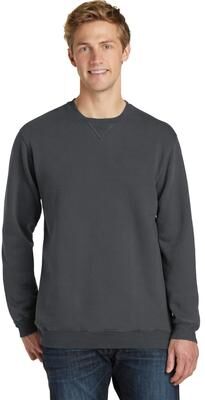
Port & Company PC098 Men's Beach Wash Garment-Dyed Crewneck Sweatshirt in Coal size 2XL CottonBeach Wash ® Garment-Dyed Crewneck Sweatshirt - COAL - 2XL Port & Company PC098 Men's Beach Wash Garment-Dyed Crewneck Sweatshirt in Coal size 2XL Cotton26,37 $*Shipping: 13,90 $Secure redirect to the provider
-
Port & Company PC098 Men's Beach Wash Garment-Dyed Crewneck Sweatshirt in Coal size 3XL CottonBeach Wash ® Garment-Dyed Crewneck Sweatshirt - COAL - 3XL Port & Company PC098 Men's Beach Wash Garment-Dyed Crewneck Sweatshirt in Coal size 3XL Cotton29,57 $*Shipping: 13,90 $Secure redirect to the provider
-
Port & Company PC098 Men's Beach Wash Garment-Dyed Crewneck Sweatshirt in Coal size Small CottonBeach Wash ® Garment-Dyed Crewneck Sweatshirt - COAL - S Port & Company PC098 Men's Beach Wash Garment-Dyed Crewneck Sweatshirt in Coal size Small Cotton23,17 $*Shipping: 13,90 $Secure redirect to the provider
-
Port & Company PC098 Men's Beach Wash Garment-Dyed Crewneck Sweatshirt in Coal size Large CottonBeach Wash ® Garment-Dyed Crewneck Sweatshirt - COAL - L Port & Company PC098 Men's Beach Wash Garment-Dyed Crewneck Sweatshirt in Coal size Large Cotton23,17 $*Shipping: 13,90 $Secure redirect to the provider



-
Does anyone know what this poem is about? Coal, black coal.
The poem "Coal, black coal" likely explores the themes of darkness, heaviness, and perhaps the idea of something being buried or hidden. The repetition of the word "coal" suggests a focus on this specific element and its symbolic significance. The color black often represents mystery, power, or even death, so the poem may delve into these deeper meanings associated with coal. Ultimately, the interpretation of the poem may vary depending on the reader's perspective and personal experiences. **
-
When was coal discovered?
Coal was discovered in ancient times, with evidence of its use dating back to around 3000 BC in China. However, it became more widely used during the Industrial Revolution in the 18th century, when it played a crucial role in powering steam engines and fueling factories. The discovery of coal revolutionized industries and transportation, leading to significant advancements in technology and infrastructure. **
-
Can you eat coal?
No, coal is not safe or edible for human consumption. Coal is a fossil fuel that is primarily made up of carbon and other elements, and it is not meant to be ingested. Eating coal can be harmful to your health and can lead to serious health issues such as digestive problems, respiratory issues, and poisoning. It is important to avoid consuming coal and to seek medical help if accidentally ingested. **
-
How is coal formed?
Coal is formed from the remains of ancient plants that were buried and subjected to high pressure and heat over millions of years. The process begins with the accumulation of plant material in swamps and marshes, which is then buried by layers of sediment. As the plant material is buried deeper, the heat and pressure cause physical and chemical changes, transforming it into peat, then lignite, and eventually into coal. This process, known as coalification, takes millions of years and results in the formation of different types of coal, such as anthracite, bituminous, and sub-bituminous coal. **

Can coal be liquefied?
Yes, coal can be liquefied through a process called coal liquefaction. There are two main methods for coal liquefaction: direct liquefaction and indirect liquefaction. Direct liquefaction involves heating coal in the presence of hydrogen and a catalyst to produce liquid hydrocarbons. Indirect liquefaction involves first gasifying the coal to produce syngas, which is then converted into liquid hydrocarbons through a process like Fischer-Tropsch synthesis. Both methods have been developed as a way to produce liquid fuels from coal as an alternative to traditional petroleum-based fuels. **
Are peat briquettes as bio-coal better than regular lignite coal fireplace briquettes?
Peat briquettes, also known as bio-coal, are considered better than regular lignite coal fireplace briquettes for several reasons. Peat is a renewable resource, while lignite coal is a non-renewable fossil fuel. Additionally, peat briquettes produce less carbon dioxide when burned compared to lignite coal, making them a more environmentally friendly option. Furthermore, peat briquettes tend to burn more efficiently and produce more heat than lignite coal, making them a more effective choice for heating. **
Top-Angebote
Products related to Coal:
-
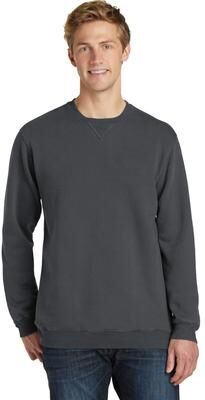
Port & Company PC098 Men's Beach Wash Garment-Dyed Crewneck Sweatshirt in Coal size 2XL CottonBeach Wash ® Garment-Dyed Crewneck Sweatshirt - COAL - 2XL Port & Company PC098 Men's Beach Wash Garment-Dyed Crewneck Sweatshirt in Coal size 2XL Cotton26,37 $*Shipping: 13,90 $Secure redirect to the provider
-
Port & Company PC098 Men's Beach Wash Garment-Dyed Crewneck Sweatshirt in Coal size 3XL CottonBeach Wash ® Garment-Dyed Crewneck Sweatshirt - COAL - 3XL Port & Company PC098 Men's Beach Wash Garment-Dyed Crewneck Sweatshirt in Coal size 3XL Cotton29,57 $*Shipping: 13,90 $Secure redirect to the provider
-
How is coal stored in the industry?
Coal is typically stored in large outdoor piles or in enclosed storage facilities such as silos or domes. These storage facilities are designed to protect the coal from moisture and environmental exposure, which can cause it to degrade and lose its quality. The coal is often stacked in layers and compacted to maximize storage capacity and minimize the risk of spontaneous combustion. Additionally, some facilities use specialized equipment such as reclaimers and stackers to efficiently manage and retrieve the coal from storage when needed for processing or transportation. **
-
What is worse: the coal industry or nuclear power plants?
Both the coal industry and nuclear power plants have significant negative impacts on the environment and public health. The coal industry is a major contributor to air and water pollution, as well as greenhouse gas emissions, leading to respiratory illnesses and climate change. On the other hand, nuclear power plants produce radioactive waste that remains hazardous for thousands of years and pose the risk of catastrophic accidents. Ultimately, both industries have serious drawbacks, and the best solution is to transition to renewable energy sources. **
-
Does anyone know what this poem is about? Coal, black coal.
The poem "Coal, black coal" likely explores the themes of darkness, heaviness, and perhaps the idea of something being buried or hidden. The repetition of the word "coal" suggests a focus on this specific element and its symbolic significance. The color black often represents mystery, power, or even death, so the poem may delve into these deeper meanings associated with coal. Ultimately, the interpretation of the poem may vary depending on the reader's perspective and personal experiences. **
-
When was coal discovered?
Coal was discovered in ancient times, with evidence of its use dating back to around 3000 BC in China. However, it became more widely used during the Industrial Revolution in the 18th century, when it played a crucial role in powering steam engines and fueling factories. The discovery of coal revolutionized industries and transportation, leading to significant advancements in technology and infrastructure. **
Similar search terms for Coal
-
Port & Company PC098 Men's Beach Wash Garment-Dyed Crewneck Sweatshirt in Coal size Small CottonBeach Wash ® Garment-Dyed Crewneck Sweatshirt - COAL - S Port & Company PC098 Men's Beach Wash Garment-Dyed Crewneck Sweatshirt in Coal size Small Cotton23,17 $*Shipping: 13,90 $Secure redirect to the provider
-
Port & Company PC098 Men's Beach Wash Garment-Dyed Crewneck Sweatshirt in Coal size Large CottonBeach Wash ® Garment-Dyed Crewneck Sweatshirt - COAL - L Port & Company PC098 Men's Beach Wash Garment-Dyed Crewneck Sweatshirt in Coal size Large Cotton23,17 $*Shipping: 13,90 $Secure redirect to the provider
-
Port & Company PC098 Men's Beach Wash Garment-Dyed Crewneck Sweatshirt in Coal size XL CottonBeach Wash ® Garment-Dyed Crewneck Sweatshirt - COAL - XL Port & Company PC098 Men's Beach Wash Garment-Dyed Crewneck Sweatshirt in Coal size XL Cotton23,17 $*Shipping: 13,90 $Secure redirect to the provider
-
Port & Company PC098 Men's Beach Wash Garment-Dyed Crewneck Sweatshirt in Coal size 4XL CottonBeach Wash ® Garment-Dyed Crewneck Sweatshirt - COAL - 4XL Port & Company PC098 Men's Beach Wash Garment-Dyed Crewneck Sweatshirt in Coal size 4XL Cotton29,57 $*Shipping: 13,90 $Secure redirect to the provider
-
Can you eat coal?
No, coal is not safe or edible for human consumption. Coal is a fossil fuel that is primarily made up of carbon and other elements, and it is not meant to be ingested. Eating coal can be harmful to your health and can lead to serious health issues such as digestive problems, respiratory issues, and poisoning. It is important to avoid consuming coal and to seek medical help if accidentally ingested. **
-
How is coal formed?
Coal is formed from the remains of ancient plants that were buried and subjected to high pressure and heat over millions of years. The process begins with the accumulation of plant material in swamps and marshes, which is then buried by layers of sediment. As the plant material is buried deeper, the heat and pressure cause physical and chemical changes, transforming it into peat, then lignite, and eventually into coal. This process, known as coalification, takes millions of years and results in the formation of different types of coal, such as anthracite, bituminous, and sub-bituminous coal. **
-
Can coal be liquefied?
Yes, coal can be liquefied through a process called coal liquefaction. There are two main methods for coal liquefaction: direct liquefaction and indirect liquefaction. Direct liquefaction involves heating coal in the presence of hydrogen and a catalyst to produce liquid hydrocarbons. Indirect liquefaction involves first gasifying the coal to produce syngas, which is then converted into liquid hydrocarbons through a process like Fischer-Tropsch synthesis. Both methods have been developed as a way to produce liquid fuels from coal as an alternative to traditional petroleum-based fuels. **
-
Are peat briquettes as bio-coal better than regular lignite coal fireplace briquettes?
Peat briquettes, also known as bio-coal, are considered better than regular lignite coal fireplace briquettes for several reasons. Peat is a renewable resource, while lignite coal is a non-renewable fossil fuel. Additionally, peat briquettes produce less carbon dioxide when burned compared to lignite coal, making them a more environmentally friendly option. Furthermore, peat briquettes tend to burn more efficiently and produce more heat than lignite coal, making them a more effective choice for heating. **
* All prices are inclusive of VAT and, if applicable, plus shipping costs. The offer information is based on the details provided by the respective shop and is updated through automated processes. Real-time updates do not occur, so deviations can occur in individual cases. ** Note: Parts of this content were created by AI.